The signal was faint in 2020. Now it's too loud to ignore.
For years, almost no one wrote about towns pushing back. In the last year, the stories have accelerated from 664 in all of 2025 to more than 8,000 in 2026 so far. The design that answers them has been ready since 2023. Our goal is to finally bring it into the world.
I didn't plan to come back to data centers. But I know there's a better way, and towns deserve an answer. So here I am.
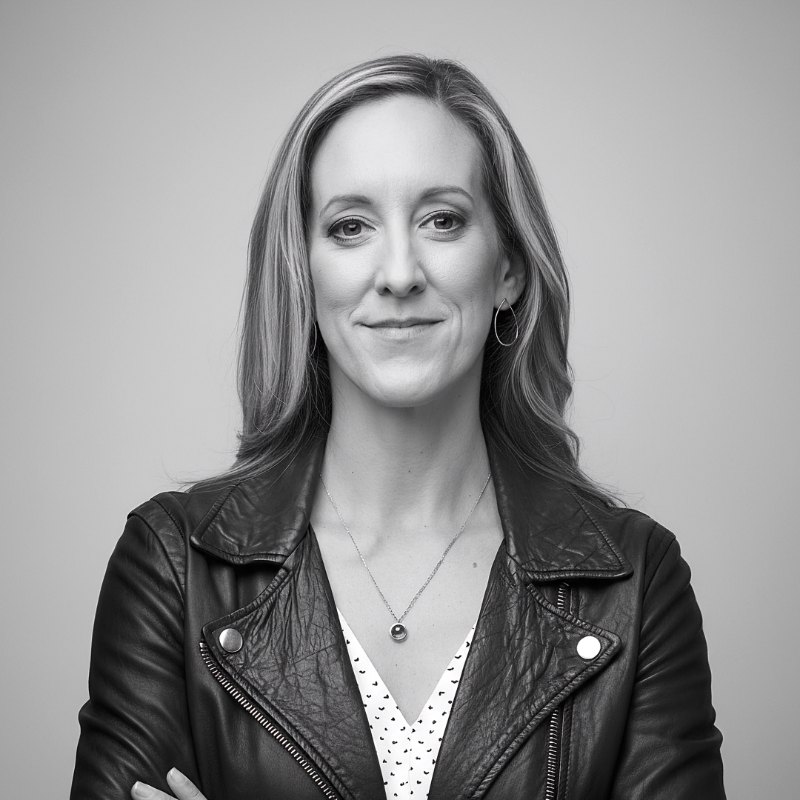
JoAnn Garbin is CEO and co-founder of Regenerous Labs. At Microsoft she led the Datacenter of the Future initiative, bringing together a coalition of seven companies and thirty people to build a regenerative data center that is positive by design for the place it's in. Her team's discovery work, more than 200 interviews inside and outside the company including communities around the world, led to a full blueprint in 2023.
In 2023, the signal was too faint to move the industry to change. Now it can't be ignored and everyone is feeling the pressure of community pushback and moratoriums that her team predicted more than 5 years ago. Every week, industry leaders call JoAnn to ask how to make the regenerative datacenter happen. JoAnn and her partners at Regenerous Labs are on a mission to answer the call and demonstrate the model for a truly regenerative data center.
Every question you ask AI lands in a building.
Every time you ask a chatbot a question, stream a show or back up your phone, the work happens in a data center: a building full of computers that run day and night. They use a lot of electricity, and they need cooling, often with water, to keep from overheating.
AI has set off the biggest building spree the industry has seen. New campuses cover hundreds of acres and can draw as much power as a city. And many of the towns being asked to host them have started saying no.
It isn't ideology. It's a list.
In Box Elder County, Utah, commissioners passed a moratorium on new data centers in June after months of public fights. In Independence, Missouri, residents went to court for the right to vote on a project their council had approved. In the New Mexico desert, a construction well for one campus has drawn 103 million gallons of fresh water, on an emergency permit.
Read enough meeting minutes and the same four worries come back, almost word for word. Each is reasonable. But they're often asked of the wrong people, and framed around what a town stands to lose. Better questions get better answers.
Same compute.
A different shape.
Every worry on that list has an answer, and it comes down to design. Today's campuses are new down to the chip, but to the neighbors they're the same windowless box, only bigger. The alternative doesn't wait on a breakthrough. Every piece is on the market now.
Instead of one giant campus at the edge of town, build small, distributed, interconnected sites. Make them in a factory, put their heat to use, configure them to work with the grid, and build a relationship with the town before the permit.
Same corridor, before and after.
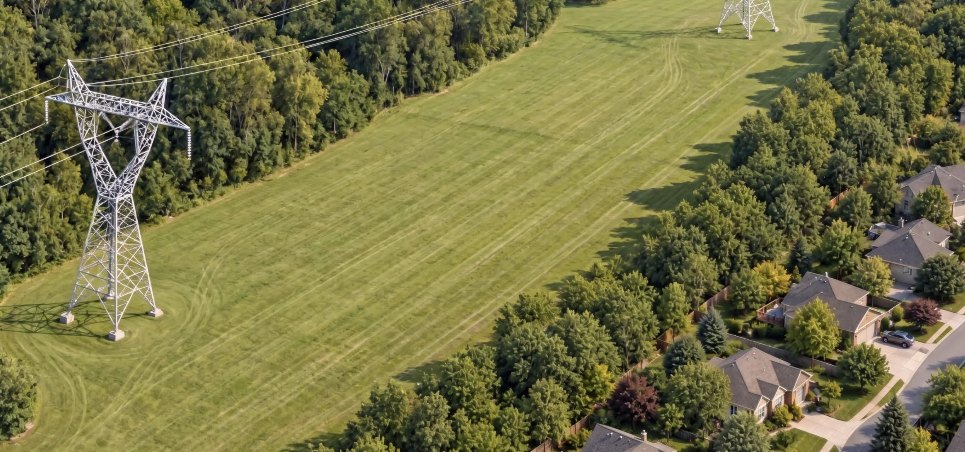 Today
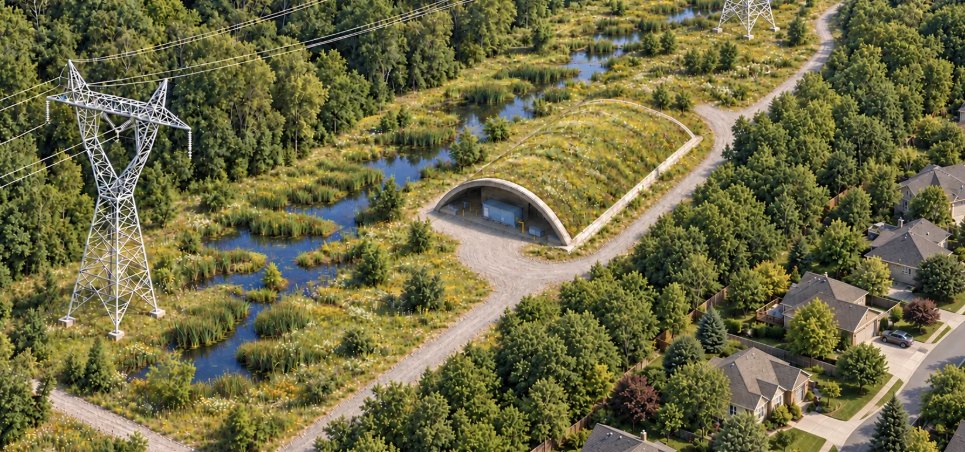 With a Regenerous Center
It's not ours to build. It's ours to bring together.
At Regenerous Labs, we're refreshing the 2023 design, validating the supply chain, and delivering a playbook any developer or town can adopt. Nothing here needs inventing. The power equipment and the cooling are on the market, and the market has already made the business case.
What's missing is the connection. The pieces sit with dozens of companies that have never worked to one design. We're bringing them together into something a town can say yes to.
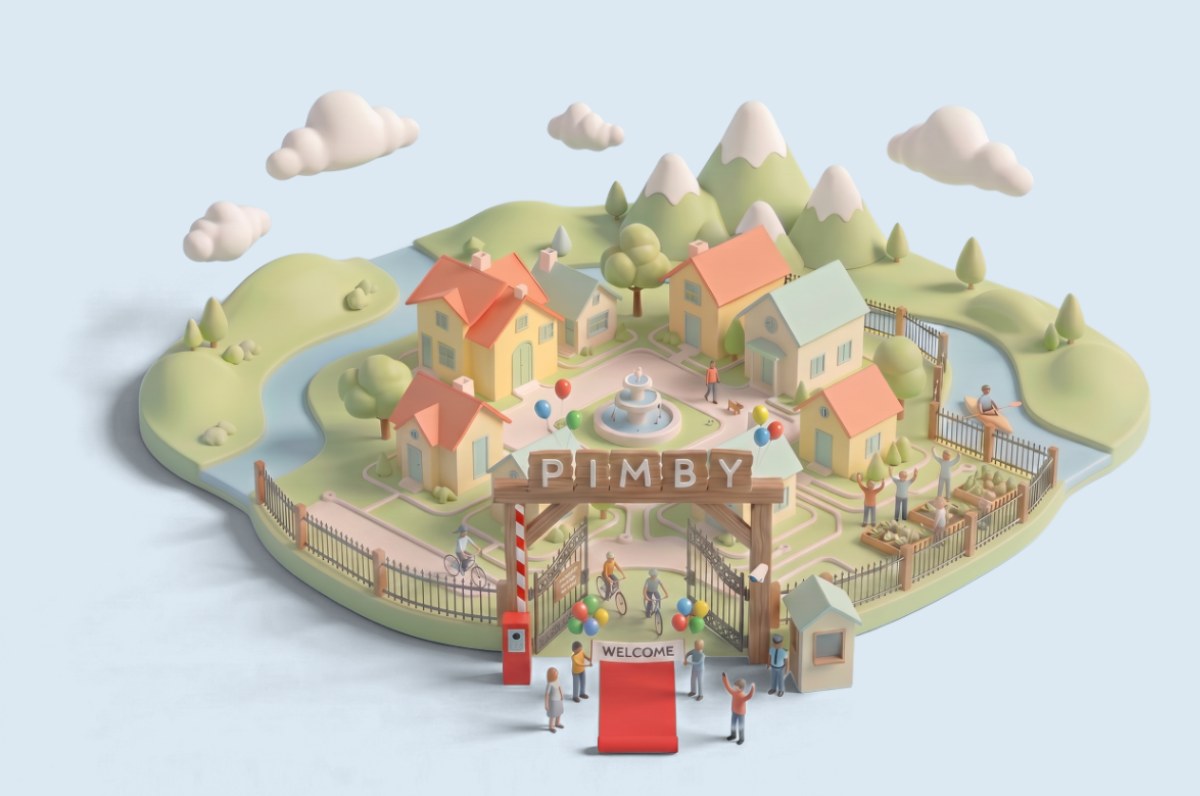
The towns pushing back aren't against the future. They're asking for a better version of it. That version is ready now.
Three steps left.
- Does it regenerate the land, water and air, or consume them?
- What value does it create: physical, digital, social, knowledge, natural?
- No offsets. A benefit somewhere else doesn't make up for harm here.